Understanding Your Local Water Quality: Insights for Virginia, Maryland, and DC
Understanding Your Local Water Quality
Water quality is a crucial aspect of environmental health and public safety. For residents of Virginia, Maryland, and DC, understanding the quality of local water sources can help in making informed decisions about consumption and conservation efforts. In this blog post, we will explore the various elements that affect water quality in these regions and provide insights into how you can stay informed.

Factors Affecting Water Quality
The quality of water in Virginia, Maryland, and DC is influenced by a variety of factors. These include natural elements like soil composition and weather patterns, as well as human activities such as agriculture, industrial operations, and urban development. Pollution from these sources can lead to contamination that affects both surface water and groundwater.
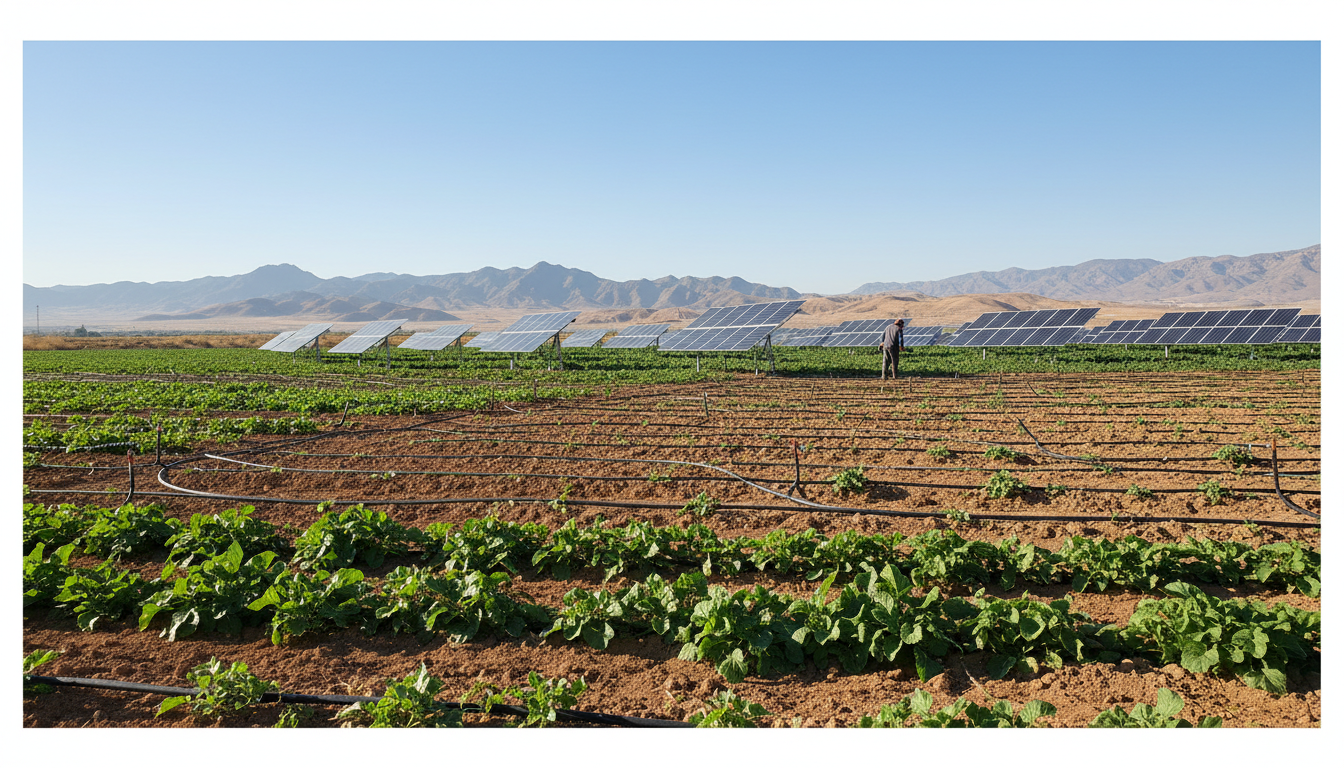
One significant contributor to water quality issues is runoff from agricultural lands. Pesticides and fertilizers used in farming can leach into waterways, leading to nutrient pollution. This can cause problems like algal blooms, which not only impact aquatic life but also affect the safety of drinking water.
Monitoring and Regulation
The Environmental Protection Agency (EPA) and state agencies are responsible for monitoring water quality and enforcing regulations. In Virginia, the Department of Environmental Quality plays a key role, while in Maryland, the Department of the Environment oversees water quality initiatives. DC Water is responsible for the management and regulation of water within the district.
These agencies conduct regular testing and publish reports that outline the status of local water quality. Staying informed about these reports can help residents understand any potential risks and the measures being taken to address them.

How to Access Water Quality Reports
Accessing water quality reports is straightforward. Most agencies provide online resources where residents can view the latest data and findings. Here are some steps to help you find this information:
- Visit the website of your local water authority or environmental agency.
- Look for sections dedicated to water quality or environmental reports.
- Download or view reports that are relevant to your area.
These reports often include details about contaminants, measures taken to improve water quality, and tips for residents on how to reduce their environmental impact.
Community Involvement and Education
Community involvement is essential in maintaining and improving water quality. Many regions offer programs and workshops to educate residents about environmental conservation and pollution prevention. Participating in these initiatives can provide valuable knowledge and empower you to contribute positively to your community’s water quality.
Furthermore, community events such as river clean-ups and tree planting can have a significant impact. These activities not only improve the environment but also foster community spirit and awareness.

Conclusion
Understanding and maintaining water quality is a shared responsibility. By staying informed about local water conditions and participating in community efforts, residents of Virginia, Maryland, and DC can play a vital role in safeguarding their water resources. Remember, every small action counts in ensuring access to clean and safe water for everyone.