The Impact of Seasonal Changes on Water Quality in Virginia
Understanding Seasonal Changes
Virginia, with its diverse landscapes ranging from coastal plains to mountainous regions, experiences distinct seasonal changes that significantly affect water quality. As the seasons shift, the temperature, precipitation, and biological activities in water bodies alter, impacting everything from aquatic life to human water consumption.
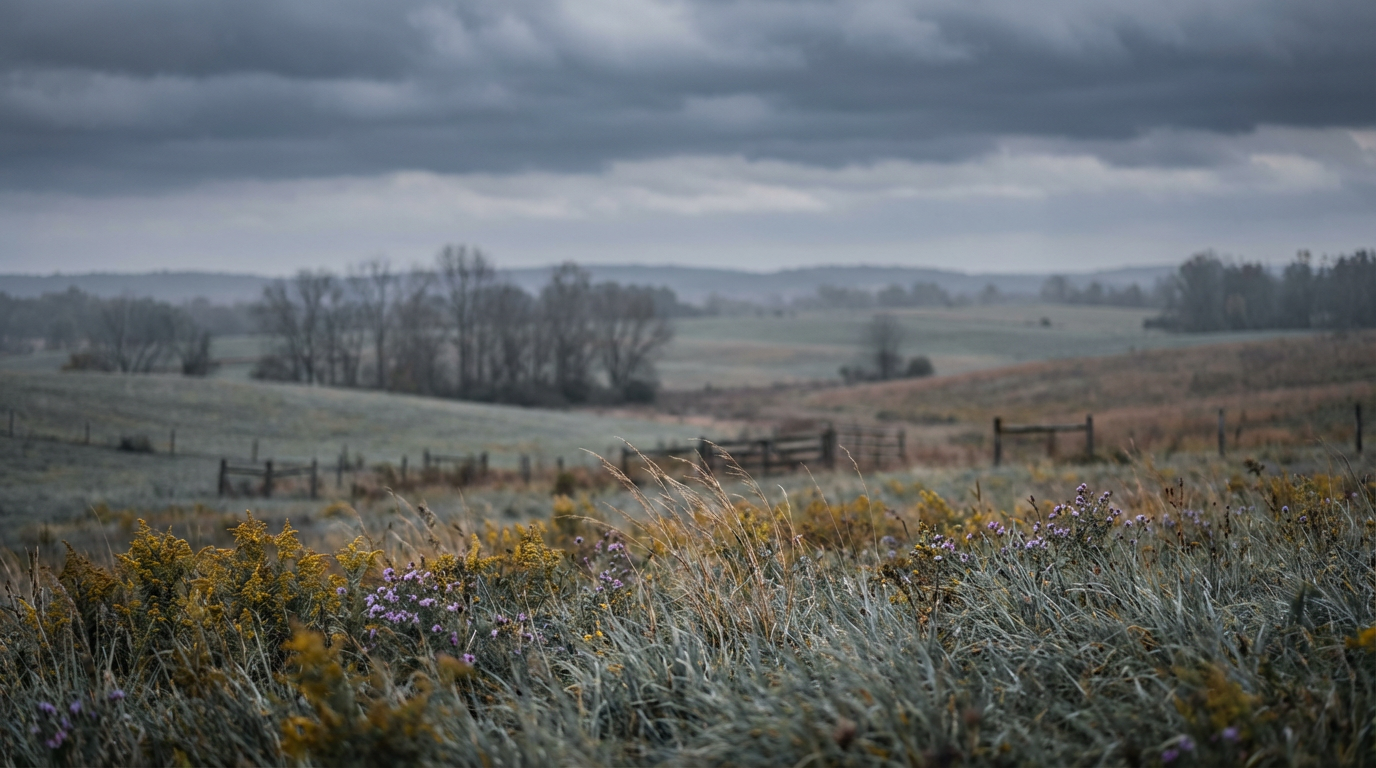
In spring, the increase in rainfall often leads to higher runoff levels. This runoff can carry pollutants from urban areas and agricultural lands into rivers and lakes. These contaminants may include fertilizers, pesticides, and sediment, which can degrade water quality and harm aquatic ecosystems.
Summer Challenges
During summer, Virginia experiences higher temperatures and often, less rainfall. This can lead to lower water levels in rivers and lakes, concentrating pollutants and increasing the risk of algal blooms. Algal blooms can produce toxins harmful to both aquatic life and humans. Additionally, the warm temperatures accelerate the growth of bacteria, posing further risks to water quality.
Recreational activities, such as swimming and boating, peak in summer, increasing the demand for clean water. Therefore, managing water quality during this season is crucial for both environmental and economic reasons.
Autumn Adjustments
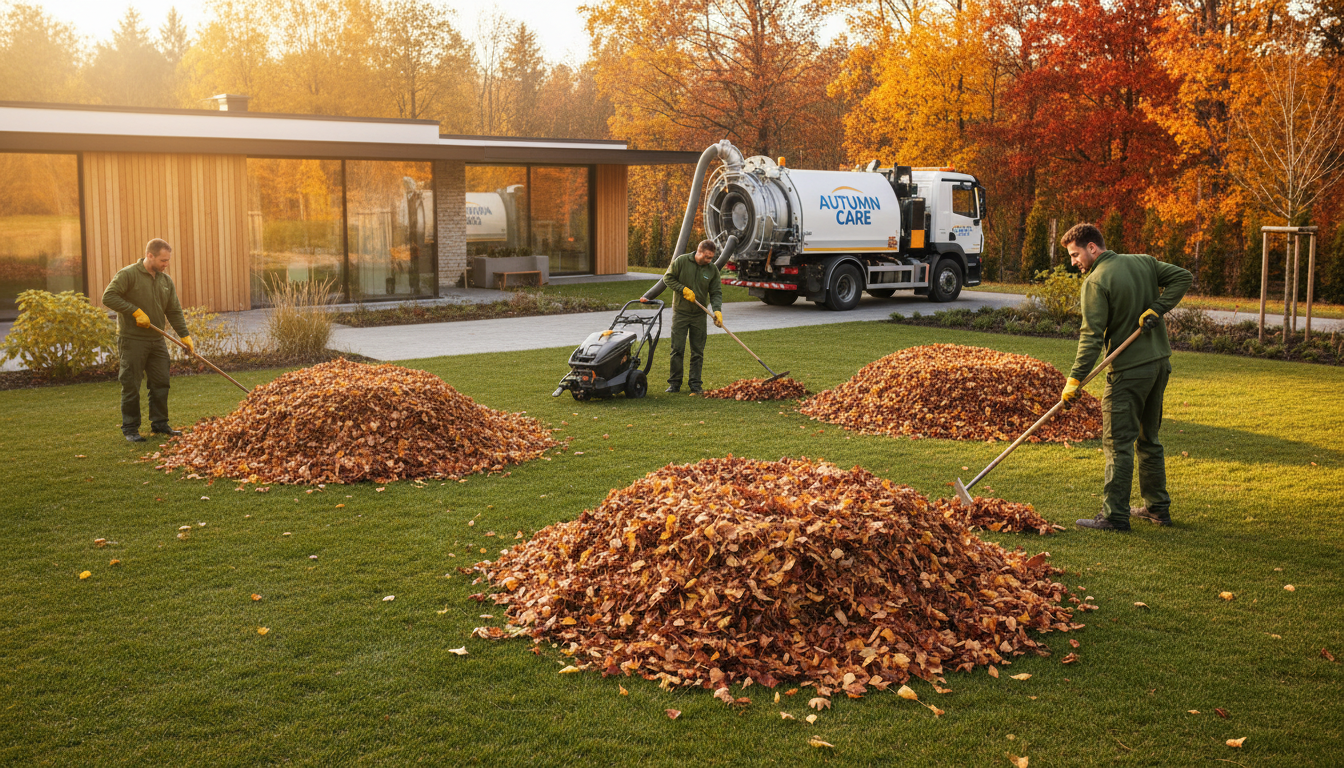
As autumn arrives, the temperature begins to drop, and the amount of organic material entering the water bodies increases as leaves and other plant material decompose. This organic matter can lead to a temporary spike in nutrients, which might exacerbate eutrophication if not managed properly.
Another concern during fall is the potential for increased storm activity, which can cause flooding and further increase runoff. This runoff can introduce new pollutants into the water system, necessitating robust management strategies to maintain water quality.
Winter Considerations
Winter brings its own set of challenges for water quality in Virginia. Cold temperatures slow down biological processes, which can reduce the self-purification capacity of water bodies. Additionally, the use of road salts during icy conditions can lead to elevated chloride levels in nearby waterways, affecting aquatic life and water potability.
Efforts to monitor and manage these seasonal impacts are crucial. Implementing strategies such as buffer zones, improved stormwater management, and public education can help mitigate these effects and preserve water quality throughout the year.
Conclusion
Understanding the impact of seasonal changes on water quality is essential for maintaining healthy aquatic ecosystems and ensuring safe drinking water in Virginia. By recognizing the challenges posed by each season, policymakers, environmentalists, and the general public can work together to implement effective solutions and safeguard this vital resource.