Summer Water Usage Tips for Homeowners: Conserve and Save
Understanding Your Water Usage
Summer is a time when water usage tends to spike, with gardens needing extra attention and cooling systems working overtime. Understanding where your water goes is the first step in managing your consumption. By identifying high-usage areas, you can take steps to reduce waste and save on your utility bills.
Efficient Lawn Care
Your lawn might be one of the biggest water guzzlers during the summer months. To conserve water, consider watering your lawn early in the morning or late in the evening to minimize evaporation. Installing a rain sensor on your sprinkler system can prevent unnecessary watering during or after rain.
Additionally, consider switching to drought-resistant grass or native plants that require less water. These options not only save water but also add a unique aesthetic to your landscape.
Smart Gardening Practices
Gardening is a rewarding summer activity, but it can also be water-intensive. Use mulch to retain soil moisture and reduce the need for frequent watering. Group plants with similar water needs together to ensure efficient use of resources.
Drip irrigation systems are an excellent option for gardens, delivering water directly to the roots and reducing evaporation. This method can cut water use by up to 50% compared to traditional watering techniques.
Optimizing Indoor Water Use
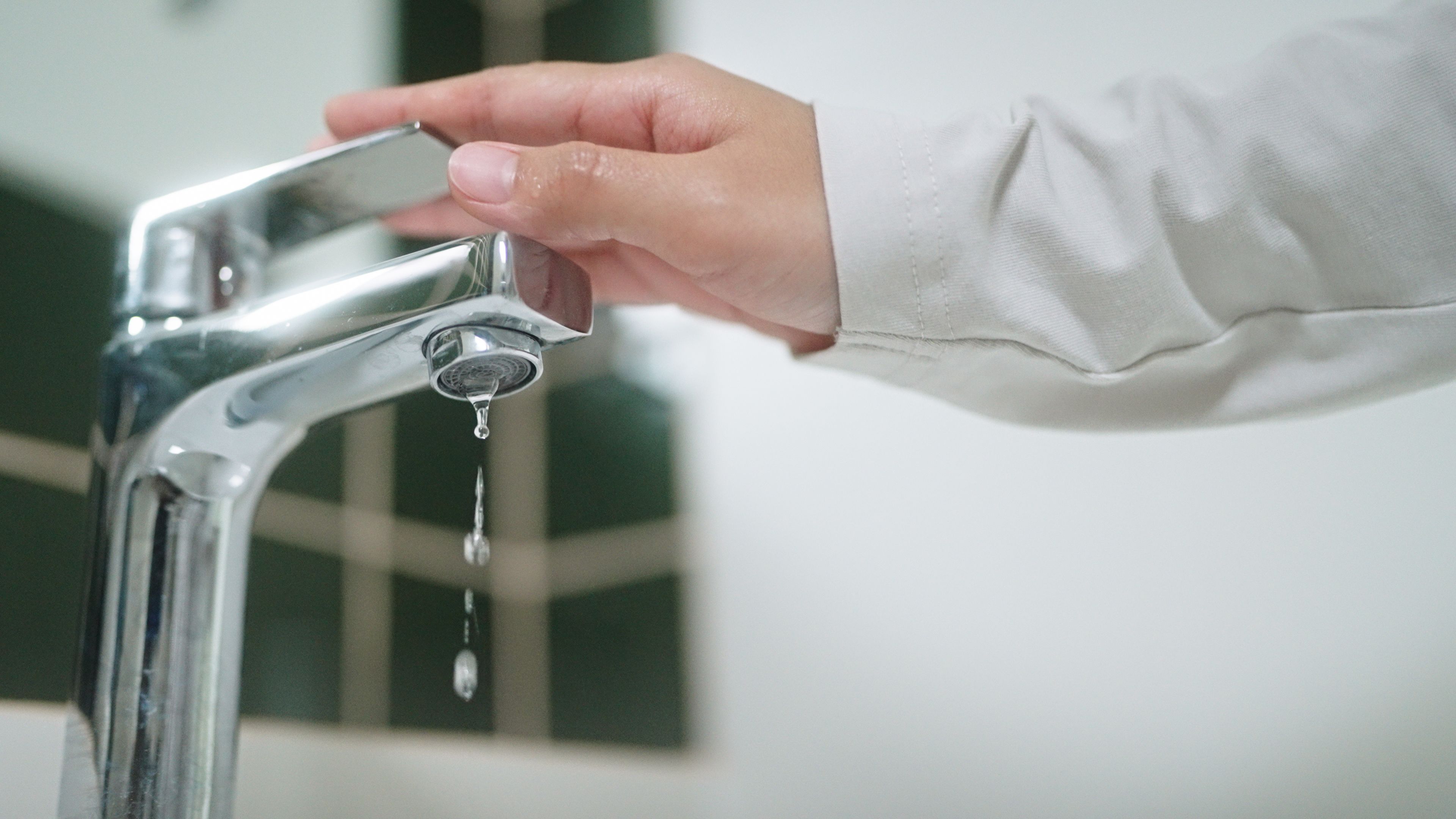
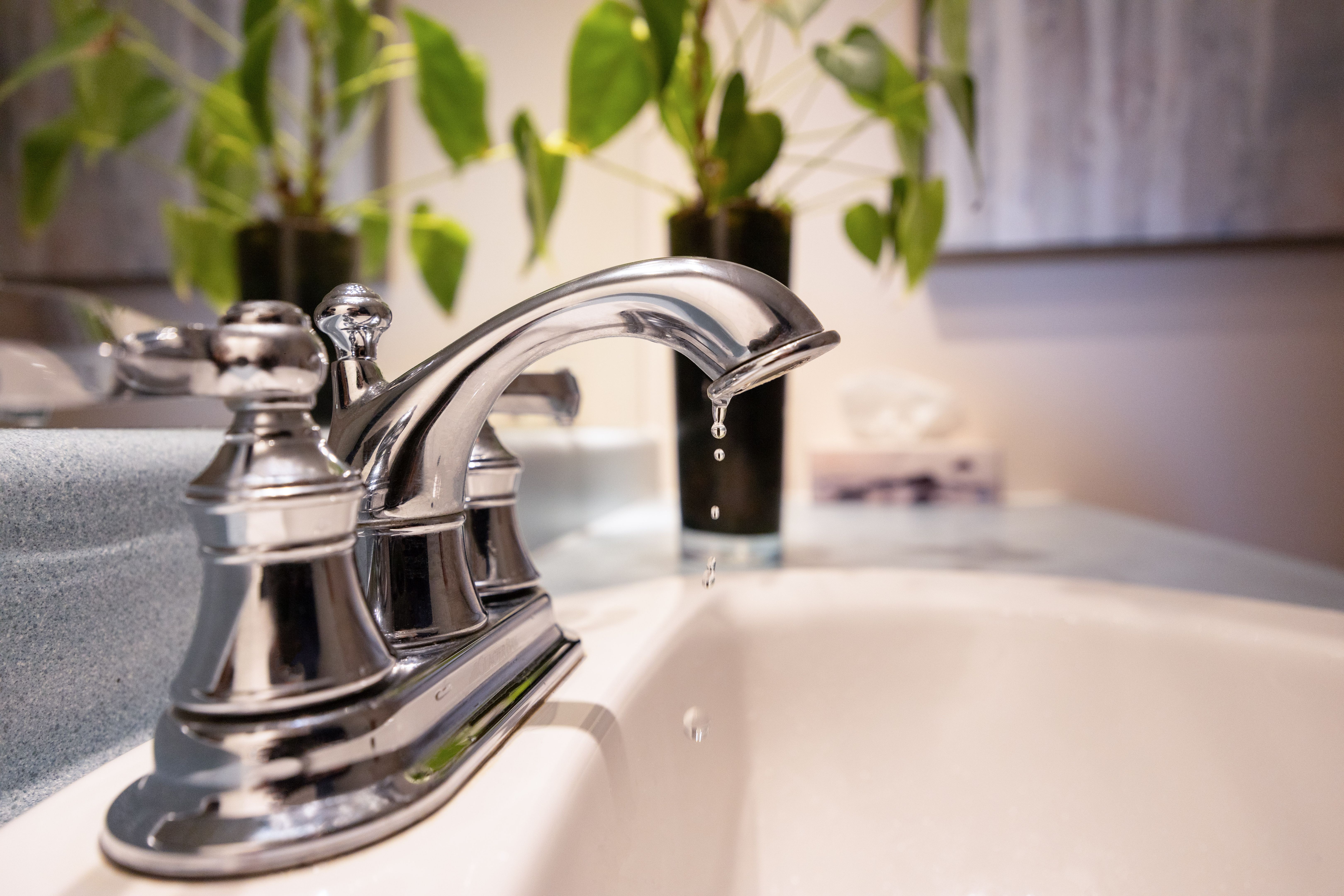
While outdoor usage tends to rise in summer, indoor water conservation is equally important. Fixing leaks can save a considerable amount of water. A dripping faucet can waste up to 3,000 gallons a year, so timely repairs are crucial.
Consider installing low-flow fixtures in your bathrooms and kitchens. These fixtures reduce water flow without sacrificing performance, allowing you to conserve water efficiently.
Make Use of Technology
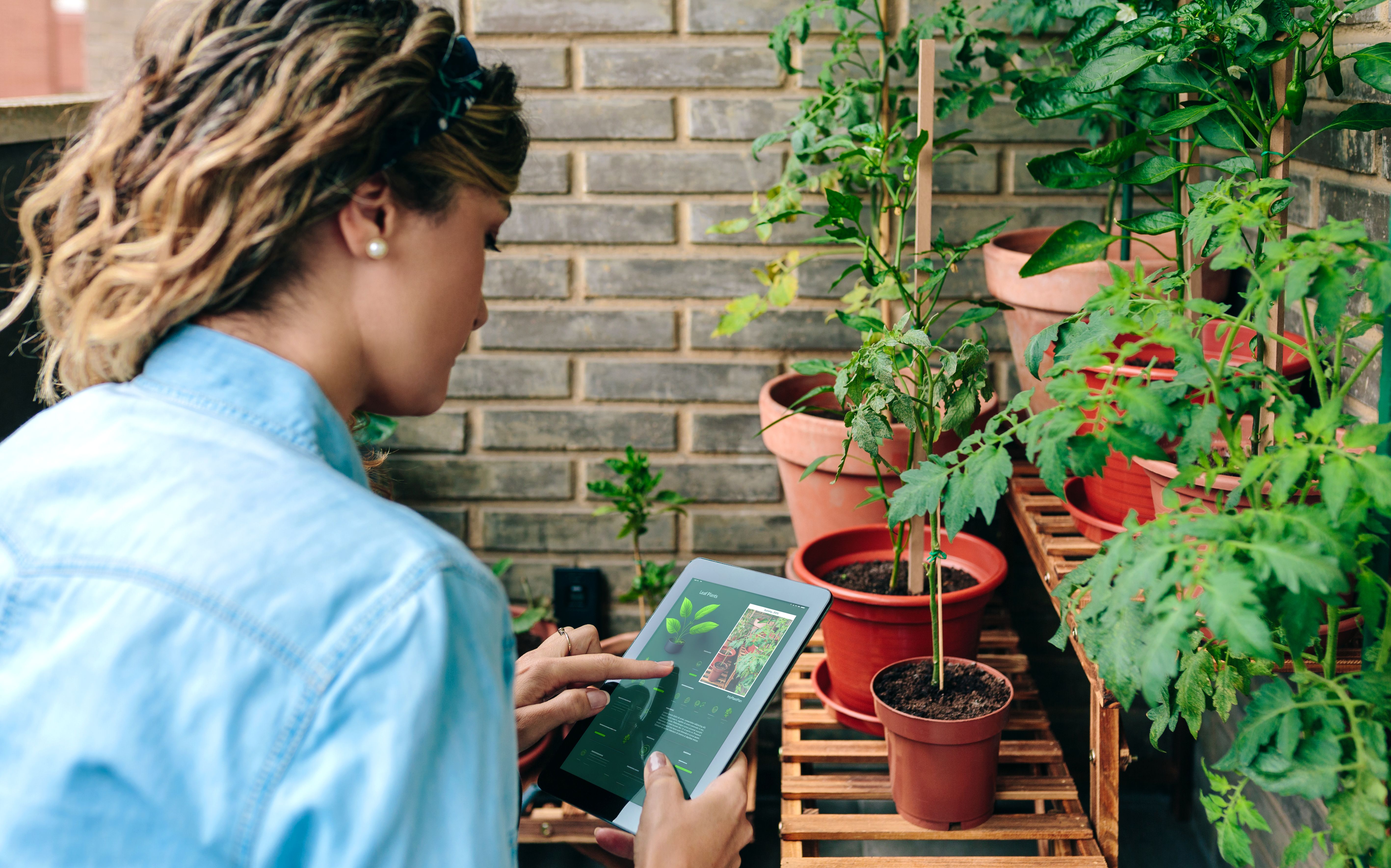
Technology offers numerous ways to monitor and control water usage. Smart meters provide real-time data on your consumption, helping you identify patterns and areas for improvement. Some smart irrigation systems can even adjust watering schedules based on weather forecasts.
Mobile apps can also help track usage and send alerts for unusual spikes, ensuring you stay informed and in control of your water consumption.
Community and Education
Getting involved in community water conservation programs can provide additional resources and support. Many communities offer workshops, rebates, and incentives for homeowners who adopt water-saving measures.
Educating your family and neighbors about the importance of water conservation can amplify your efforts and lead to broader community impact. Sharing tips and resources creates a collective movement towards sustainable water usage.