Myth-Busting: Common Misconceptions About Water Purification
Understanding Water Purification
Water purification is essential for ensuring safe drinking water. However, many misconceptions persist about its effectiveness and processes. In this post, we'll tackle some of these myths and provide clarity on what water purification truly entails.
Myth 1: Boiling Water Removes All Contaminants
Boiling water is a common method for killing bacteria and viruses, but it's not a catch-all solution. Boiling does not remove chemical pollutants or heavy metals like lead or mercury. For comprehensive purification, additional methods such as filtration or distillation are necessary.
Myth 2: All Bottled Water Is Purified
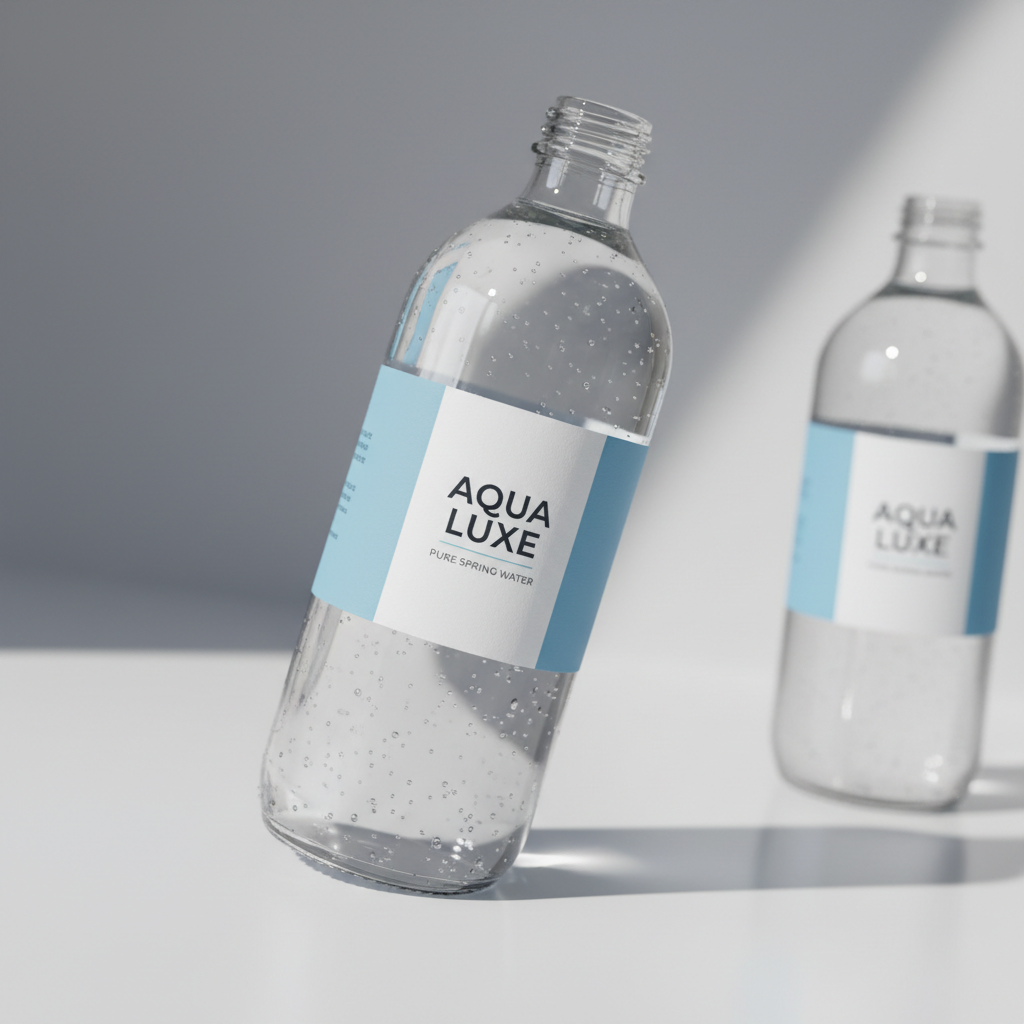
Many believe that bottled water is synonymous with purified water. However, this is not always the case. Some bottled waters are simply sourced from springs or municipal supplies and may not undergo extensive purification processes. Always check the label for information on the water's source and treatment.
Myth 3: Filtration Systems Are All the Same
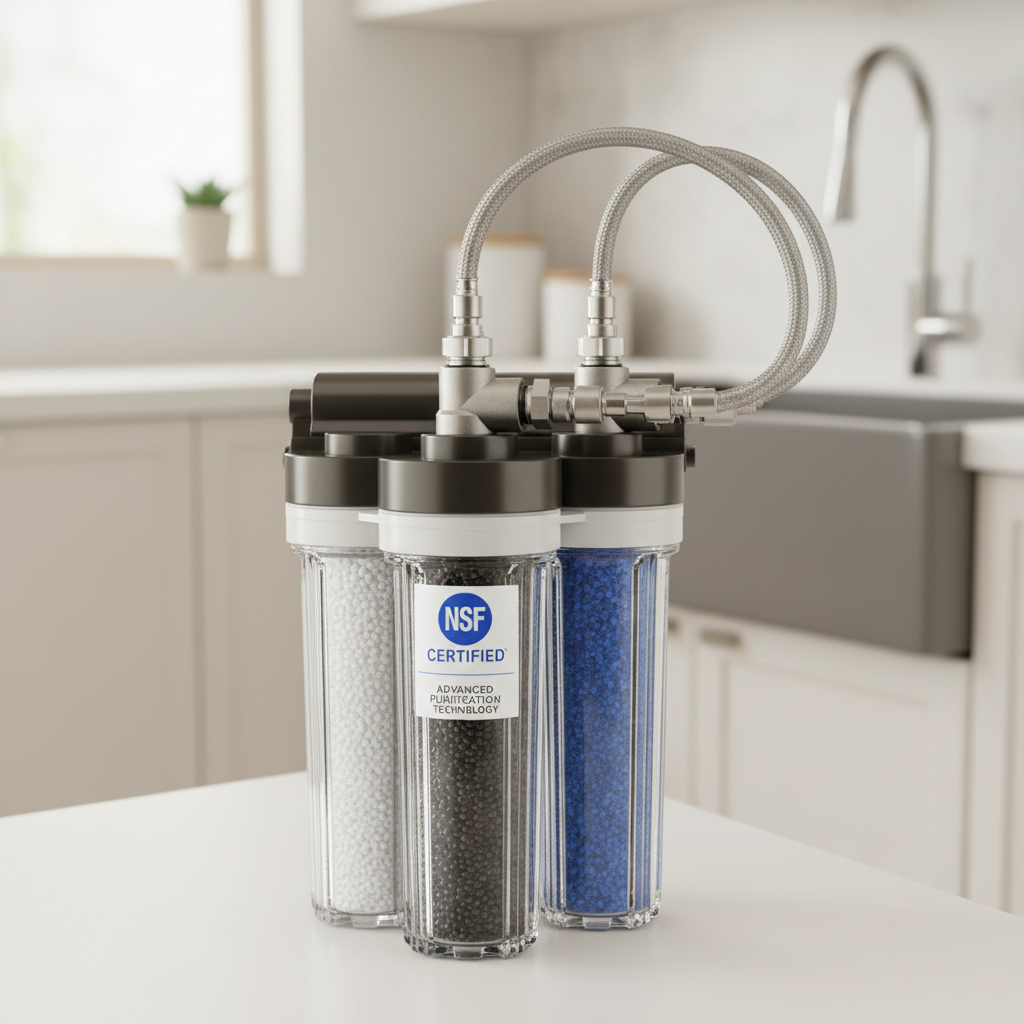
Not all filtration systems are created equal. There are various types, including charcoal filters, reverse osmosis, and UV filters, each designed to tackle different types of contaminants. Choosing the right system depends on the specific impurities present in your water supply.
The Science Behind Purification
Understanding the science behind water purification can dispel myths and lead to better choices. Processes like reverse osmosis and activated carbon filtration are scientifically proven to remove different contaminants effectively. Knowing which method targets specific pollutants can help in making informed decisions.
Myth 4: Purified Water Is Devoid of Essential Minerals
While certain purification methods can remove some minerals, not all do. For example, reverse osmosis does filter out minerals, but many systems allow them to be reintroduced. Alternatively, mineral drops or supplements can be added to purified water for those concerned about mineral intake.
Myth 5: Tap Water Is Always Unsafe
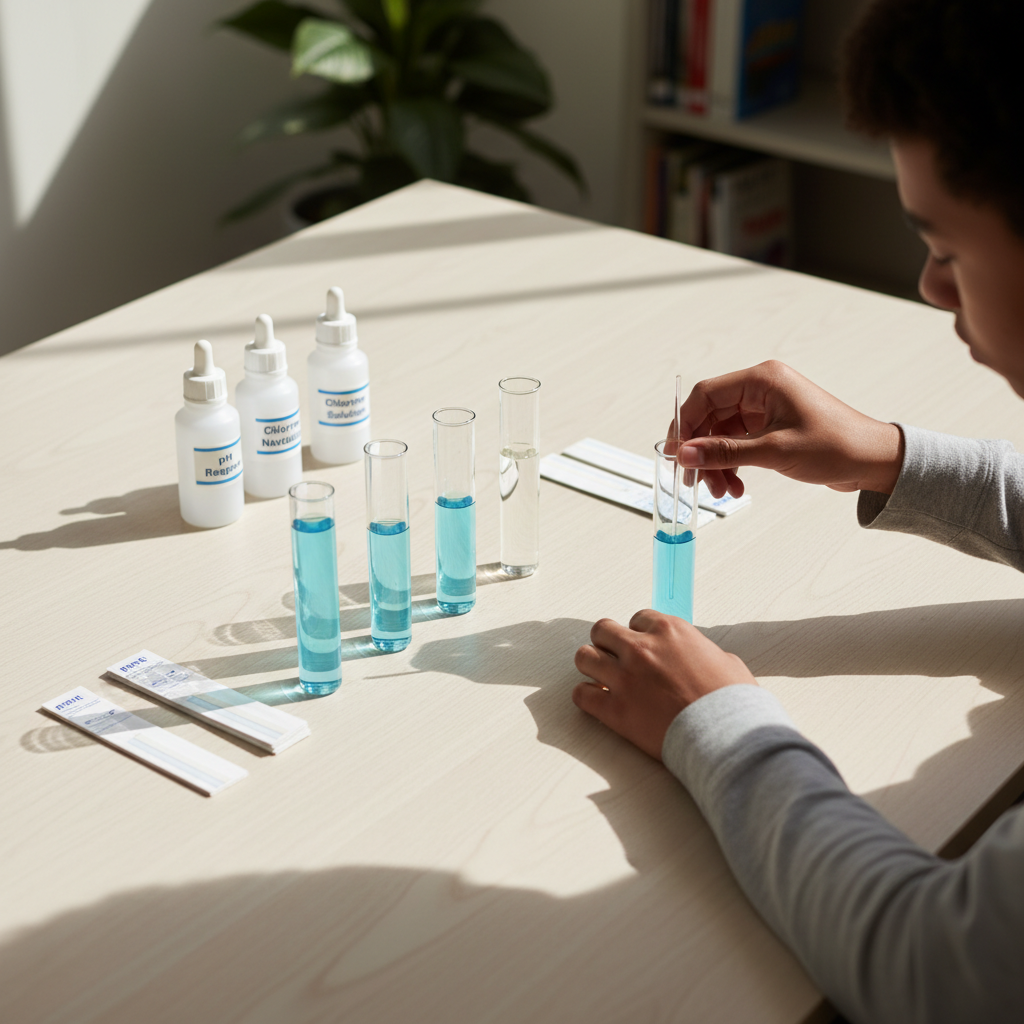
Many assume that tap water is inherently unsafe. In reality, tap water in many areas is subject to rigorous testing and safety standards. However, the presence of old pipes or localized contamination can affect quality. It's essential to test your water and choose purification methods accordingly.
Making Informed Choices
By debunking these myths, we aim to empower you to make informed decisions about water purification. Understanding the limitations and capabilities of different purification methods ensures that you can select the best option for your needs, leading to safe and clean drinking water for you and your family.