
How to Prepare Your Home Water Filter for Seasonal Changes
Understanding Seasonal Needs for Your Water Filter
As seasons change, so do the requirements for maintaining your home water filter. Each season can bring unique challenges, making it essential to prepare your system accordingly. Understanding these needs will help you maintain optimal performance and ensure clean, safe drinking water year-round.
In spring, increased rainfall can lead to sediment in the water supply, while summer heat might cause faster bacterial growth. Autumn's falling leaves can introduce organic material, and winter's freezing temperatures pose risks of burst pipes. Addressing these seasonal changes is crucial for effective water filtration.
Inspecting and Replacing Filter Cartridges
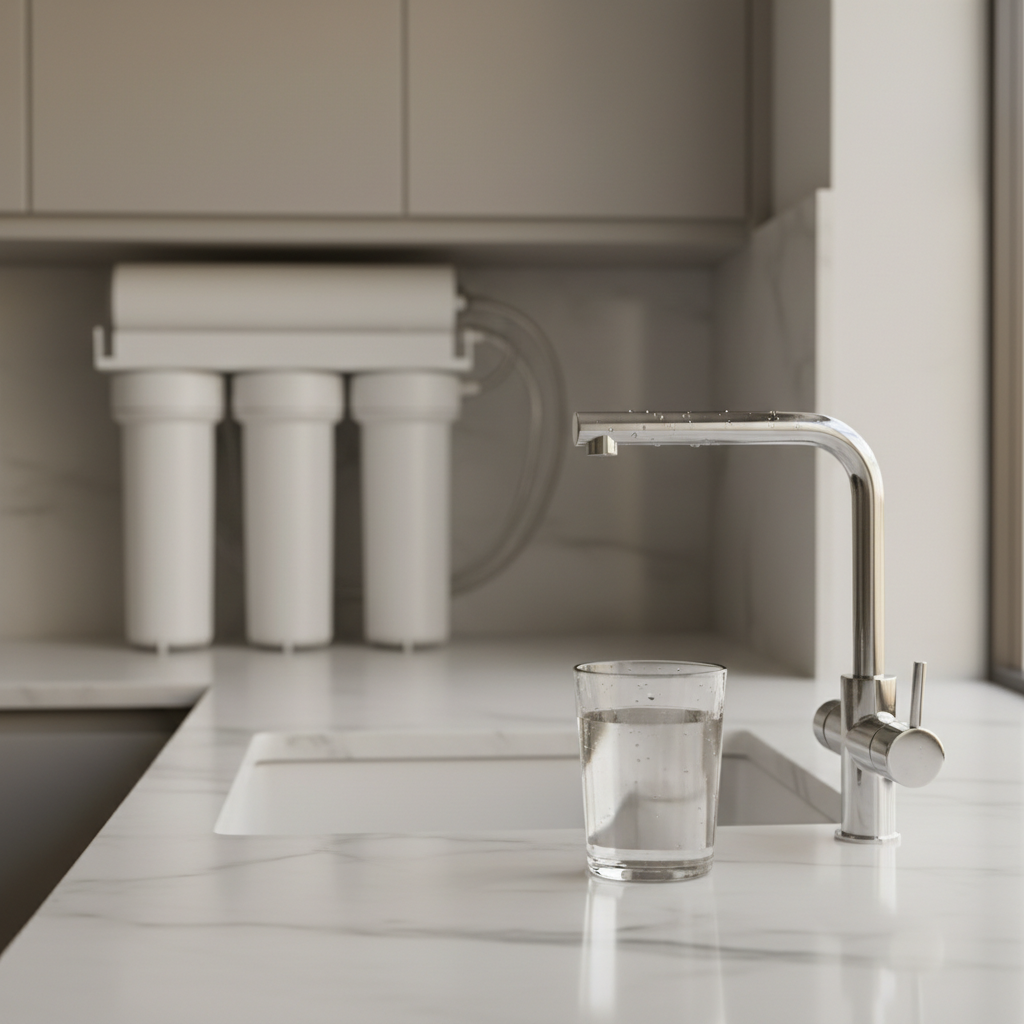
Regular inspection and timely replacement of filter cartridges are vital. Check manufacturer guidelines for your specific filter model, but a general rule is to replace cartridges every three to six months. During seasonal changes, it's wise to inspect them more frequently to ensure they're not clogged or worn out.
Consider using a high-quality carbon filter during spring and summer to combat increased sediment and bacterial growth. In fall and winter, focus on filters that can handle organic materials and protect against freezing.

Cleaning and Maintenance Tips
Cleaning your water filter system is essential for optimal performance. Start by turning off the water supply and carefully disassembling the filter unit. Use a gentle brush and mild detergent to clean components, ensuring no residue is left behind. Rinse thoroughly before reassembling.
Pay special attention to O-rings and seals, as they are crucial for preventing leaks. Lubricating them with a food-grade silicone grease can extend their lifespan and performance, especially in colder months.
Winterizing Your Water Filter
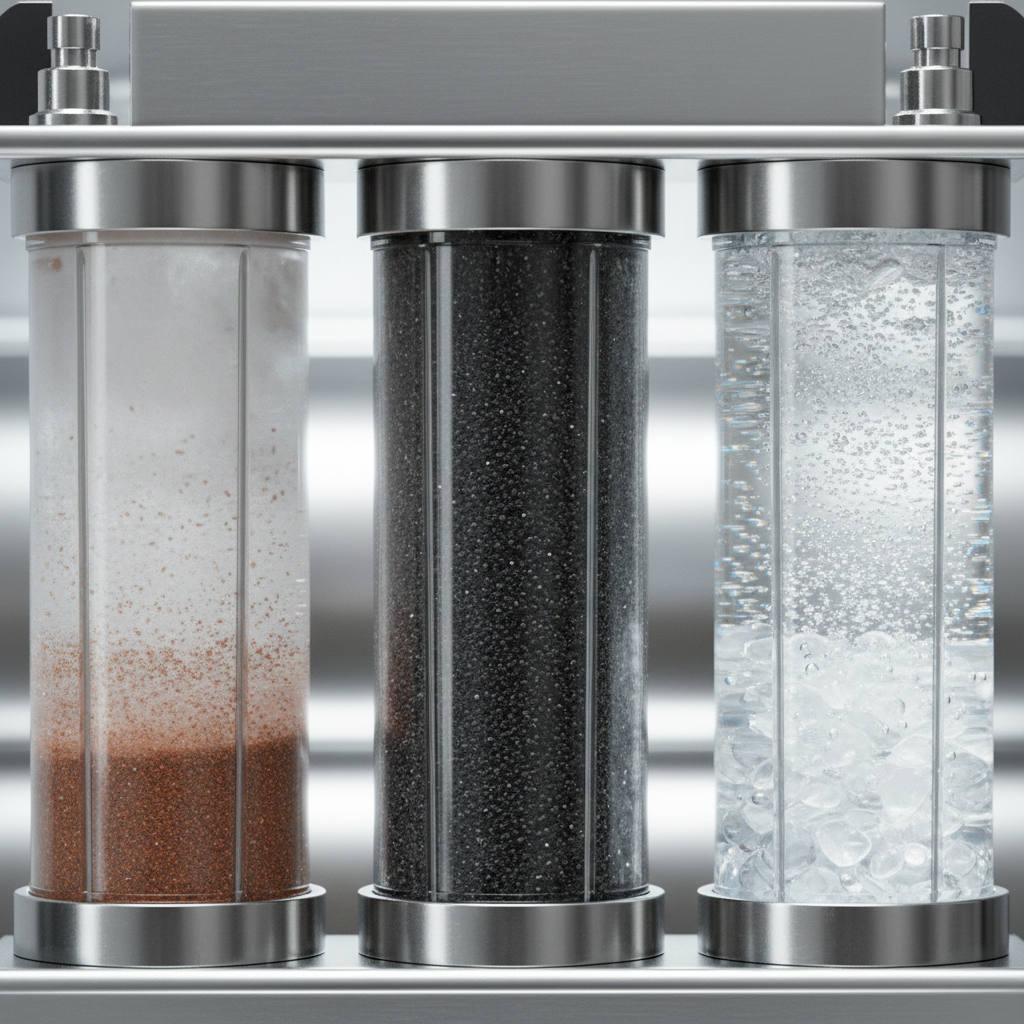
In colder climates, winterizing your water filter is important to prevent damage from freezing. Disconnect and drain any outdoor filters or hoses, and store them indoors if possible. For indoor systems, ensure your filter housing is well-insulated to protect against temperature extremes.
If your home water filter is part of a larger system, consider consulting a professional for assistance with winterizing to avoid costly repairs from frozen components.
Monitoring Water Quality
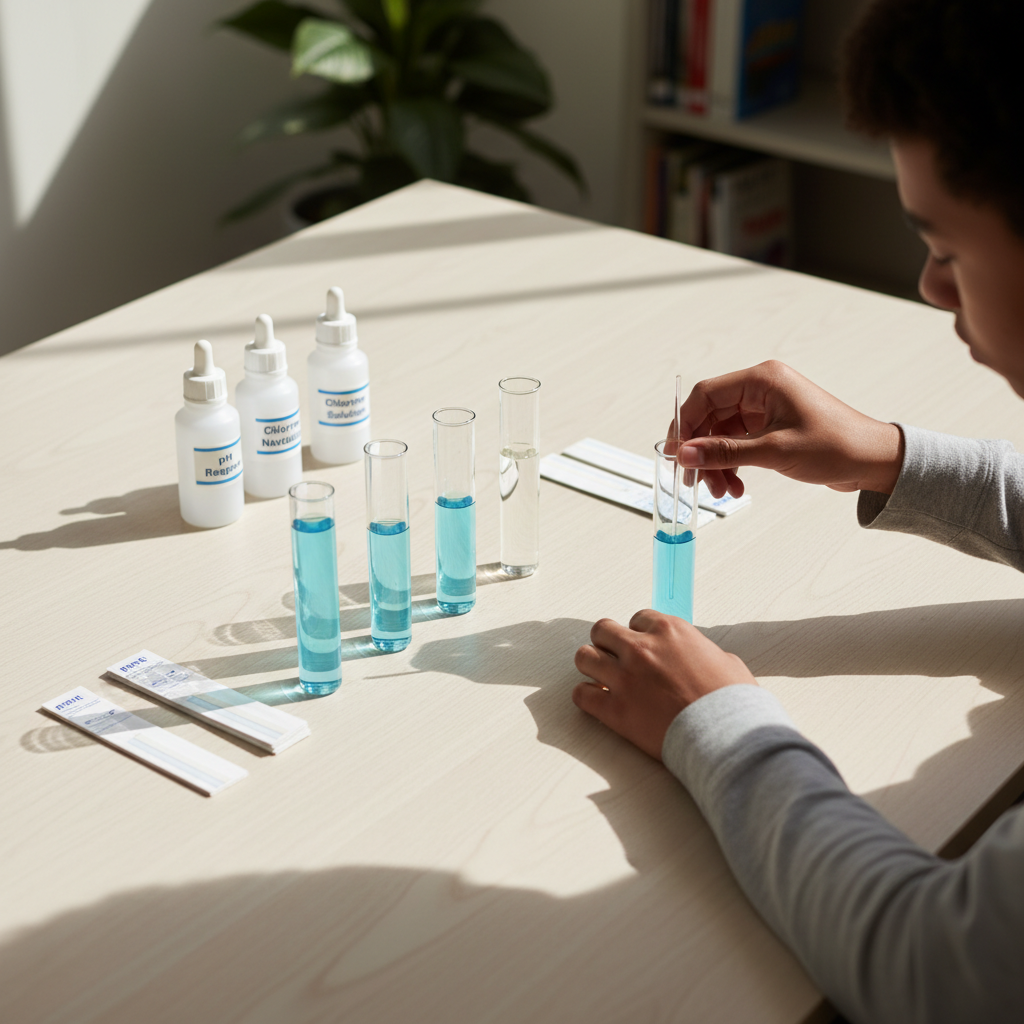
Regardless of the season, regularly monitor your water quality to detect any unusual changes. Use test kits to measure levels of chlorine, pH, and other impurities. Catching problems early can prevent more significant issues down the line.
Keep a log of your water quality results to track changes over time. This can be particularly helpful in identifying seasonal patterns that might affect your water filter's performance.
Conclusion: Proactive Care for Peace of Mind
Preparing your home water filter for seasonal changes involves a blend of regular maintenance, timely upgrades, and careful monitoring. By staying proactive, you'll ensure a consistent supply of clean, safe water for your household year-round.
Investing time in understanding and addressing the seasonal needs of your water filter not only extends its lifespan but also provides peace of mind knowing your family is consuming quality water.