
DIY Water Filter Installation: What You Need to Know
Understanding DIY Water Filters
Installing a DIY water filter can be an effective way to ensure your home has clean and safe drinking water. These systems are designed to remove contaminants, improve taste, and provide peace of mind. Before diving into the installation process, it's essential to understand the different types of water filters available and how they fit your specific needs.

There are several types of water filters, including activated carbon, reverse osmosis, and UV filters. Each type targets different impurities and has its pros and cons. Consider the quality of your local water supply and specific concerns, such as chlorine taste or lead contamination, to choose the best option for your home.
Gathering the Necessary Tools and Materials
Once you've selected the right water filter, it's time to gather the necessary tools and materials. Most DIY water filter installations require basic tools like wrenches, screwdrivers, and scissors. Additionally, you will need the filter unit, tubing, and any specific components included with your chosen model.
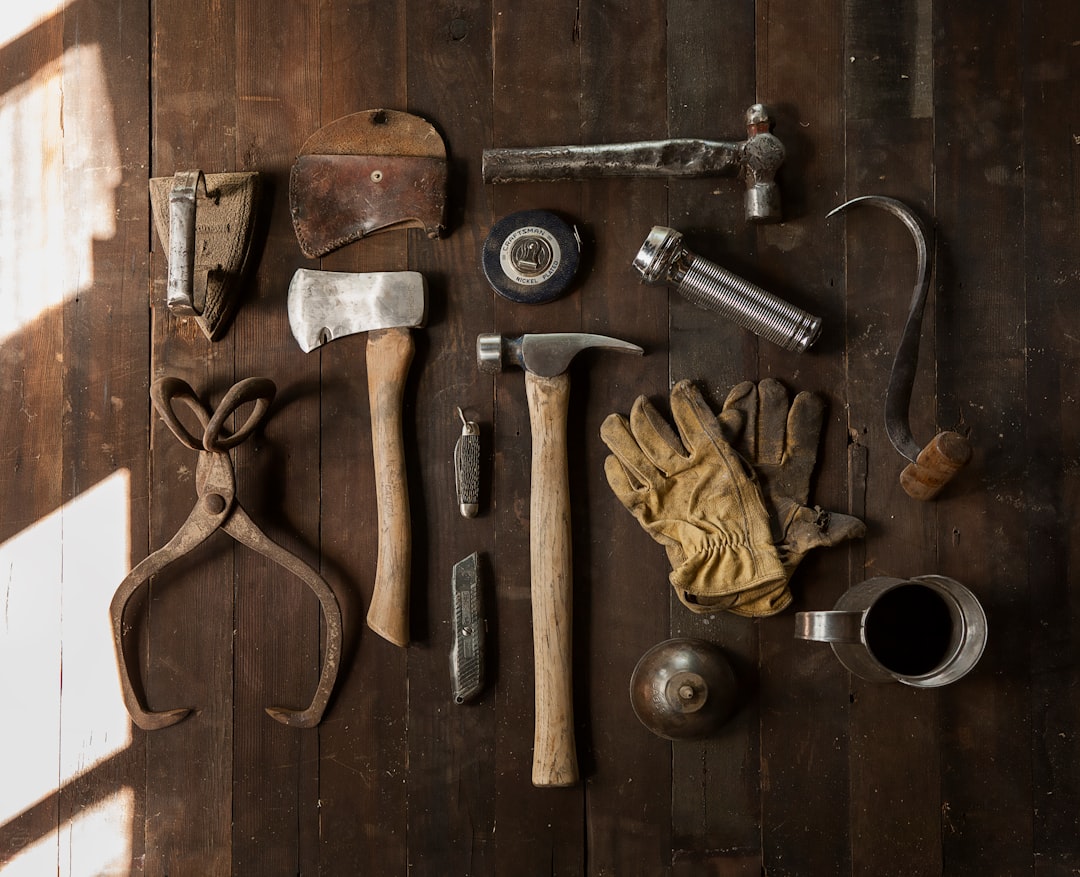
It's advisable to read the manufacturer's instructions carefully before starting. Ensure you have all components and understand each step to avoid potential mishaps. Preparing adequately will streamline the installation process and prevent unnecessary delays.
Step-by-Step Installation Guide
Installing a water filter typically involves the following steps:
- Turn off the water supply to the area where you'll be installing the filter.
- Attach the filter unit to the designated spot, following the manufacturer's guidelines.
- Connect the tubing to the filter and the water supply line, ensuring a tight seal to prevent leaks.
- Turn the water supply back on and check for leaks.
- Flush the system as recommended to clear any initial impurities or loose carbon particles.

These steps may vary depending on the filter type and brand, so always refer to the specific instructions provided. Taking your time during installation will ensure a reliable and efficient system.
Maintenance and Troubleshooting
Regular maintenance is crucial for the long-term performance of your water filter. Most filters require cartridge replacements every few months. Keep track of replacement schedules and ensure you purchase compatible cartridges to avoid performance issues.
If you experience any issues, such as reduced water flow or unusual tastes, consult the troubleshooting guide included with your filter. Common problems can often be resolved with simple adjustments or replacements.
Benefits of DIY Water Filter Installation
Choosing to install a water filter yourself can save money and provide a sense of accomplishment. It also allows you to customize the system to your specific needs, ensuring optimal water quality in your home.
By taking control of your water filtration, you are investing in the health and safety of your household. With the right tools and guidance, DIY installation can be a rewarding project that enhances your living environment.