Comparing Water Filtration Systems: What to Consider in Virginia
Understanding Water Filtration Systems
When considering water filtration systems in Virginia, it's essential to understand the different types available. Each system offers unique benefits and is suited to specific needs. Whether you're dealing with hard water, contaminants, or simply want better-tasting water, there's a solution for you.
Types of Water Filtration Systems
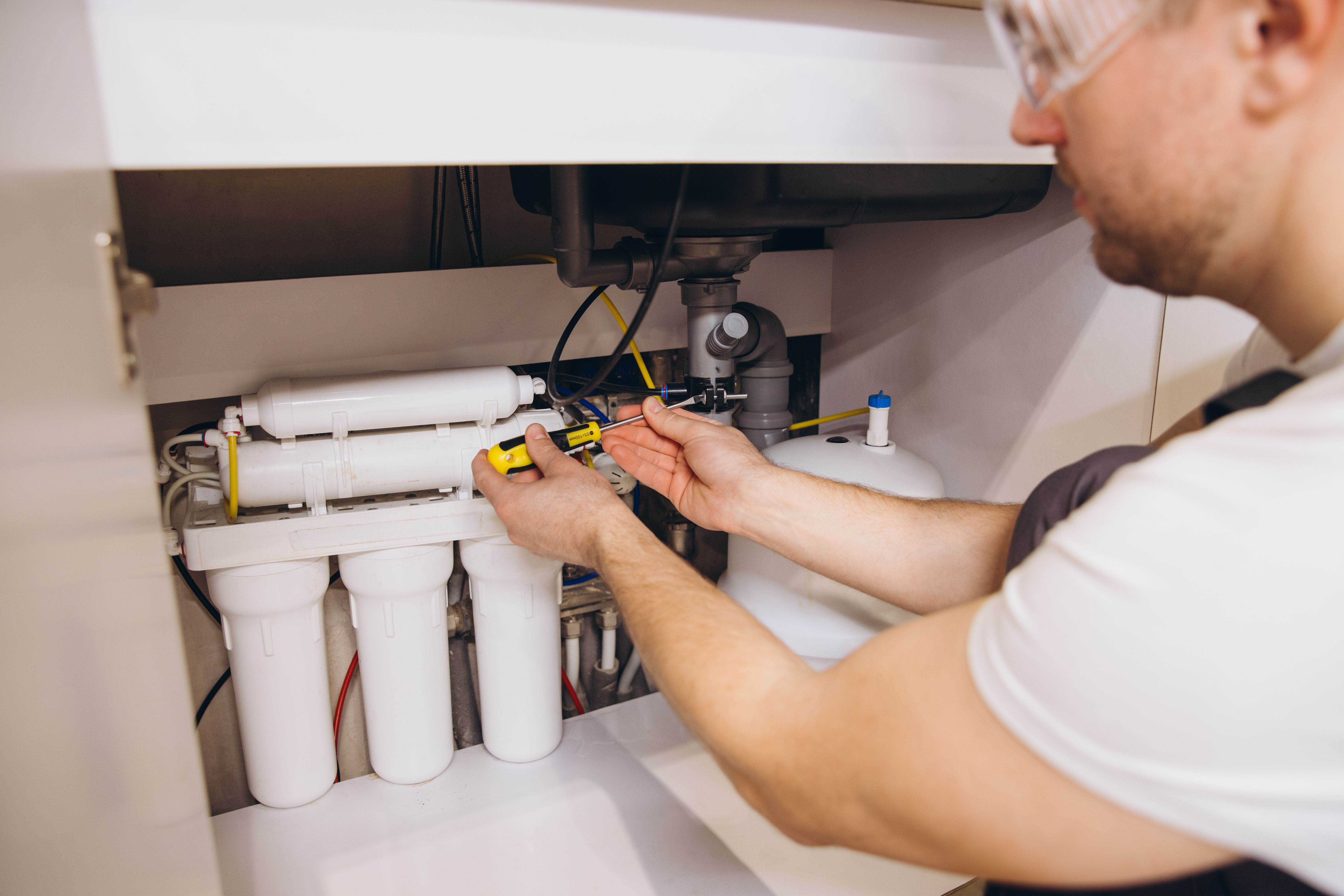
Water filtration systems generally fall into a few categories. These include:
- Activated Carbon Filters: Ideal for removing chlorine, sediment, and volatile organic compounds (VOCs).
- Reverse Osmosis Systems: Effective for reducing lead, nitrates, and other heavy metals.
- Ultraviolet (UV) Filters: Excellent for eliminating bacteria and viruses.
Each type serves a distinct purpose, so understanding what you need is crucial.
Factors to Consider
When choosing a water filtration system, consider the following factors:
- Water Quality: Conduct a water quality test to identify contaminants present in your water supply.
- Budget: Determine how much you are willing to spend on installation and maintenance.
- Maintenance: Consider the ease of maintenance and the availability of replacement parts.
Local Regulations and Water Sources
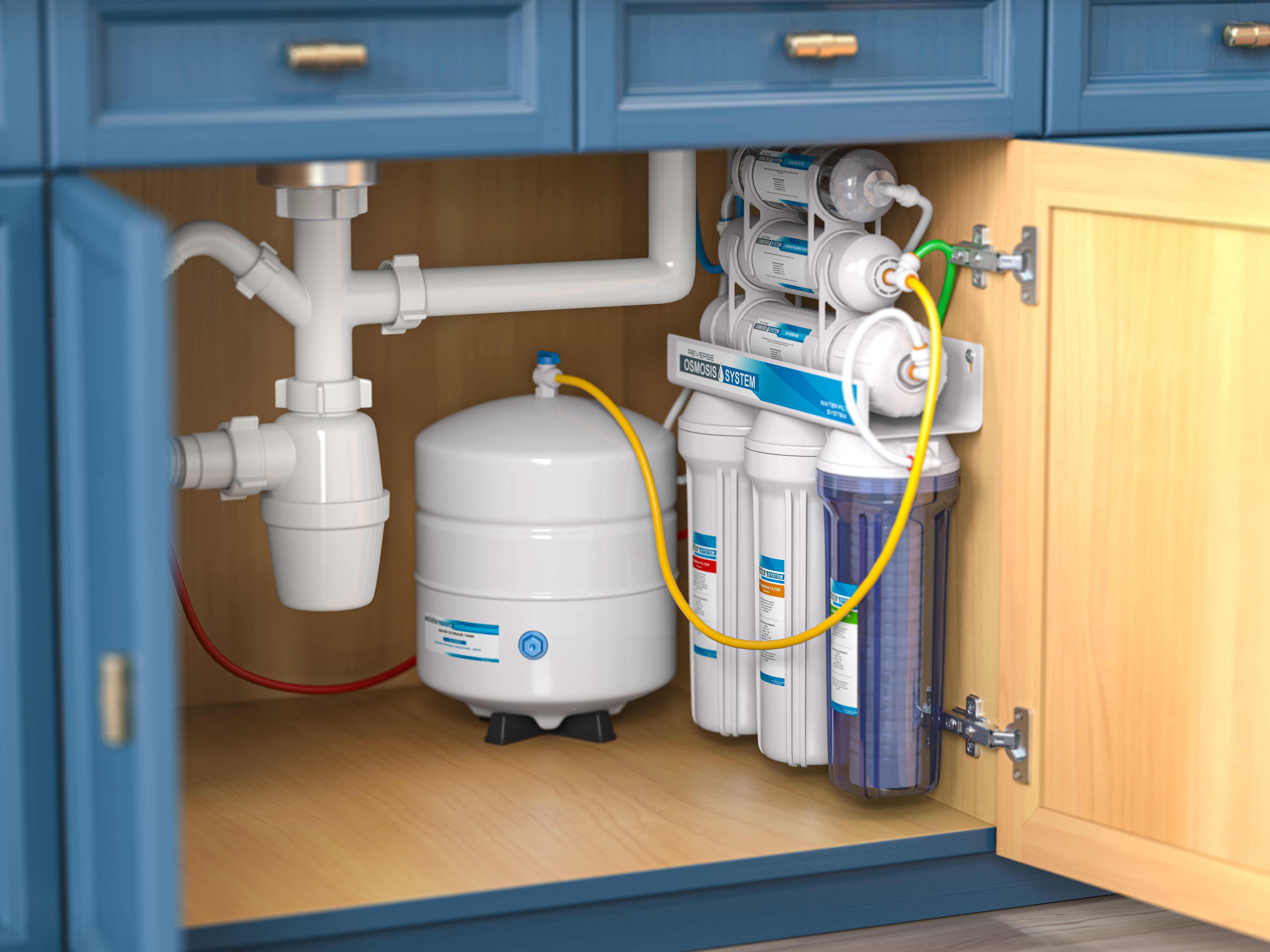
In Virginia, it's also important to consider local regulations and the source of your water. Different areas may have specific standards and codes that need to be followed. Additionally, the source of your water, whether it's municipal or well water, may influence the type of filtration system required.
For those using well water, systems that address particular minerals and potential pathogens are often necessary. Municipal water users might focus on removing chlorine and improving taste.
Installation and Professional Assistance
While some homeowners may choose to install a water filtration system themselves, professional installation ensures compliance with local codes and optimal system performance. Experts can provide valuable insights and recommendations tailored to your specific water quality needs.
Environmental Considerations
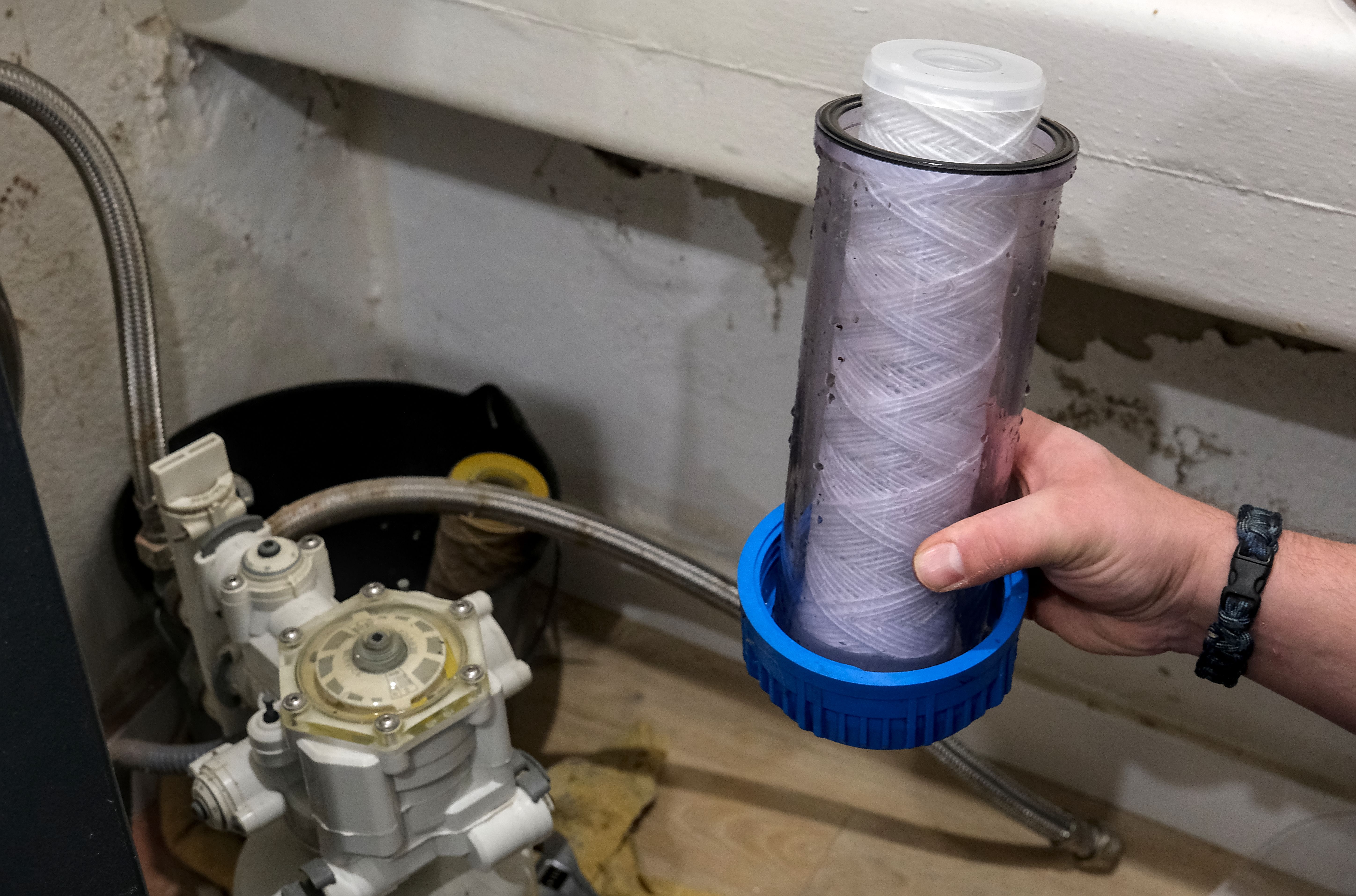
Environmental impact is another critical consideration. Some systems, like reverse osmosis, can waste water, while others may have replaceable components that contribute to waste. Opting for eco-friendly solutions can minimize your carbon footprint.
Consider the longevity and sustainability of the system you choose, as well as the environmental practices of the manufacturer.
Making the Right Choice
Ultimately, the right water filtration system for your Virginia home will depend on a combination of these factors. Taking the time to assess your specific needs, budget, and local conditions will lead to a healthier and more efficient water solution.
By investing in a suitable water filtration system, you ensure cleaner, safer, and better-tasting water for your household, promoting both health and well-being.